Watch an intimate history of the U.S. AIDS epidemic with our films, Life and Death on the A-List, Undetectable and Rock Bottom: Gay Men and Meth. Also of interest is New York Diary, an intimate look at New York City on the day and months after the 9/11 attacks.
New York Diary presents one New Yorker’s personal take on September 11 and its aftermath. How was the immediate, unintelligible horror of the attacks digested and domesticated in the days and weeks that followed?
Released: 1996 Length: 45 minutes Director: Jay Corcoran Cast: Tom McBride
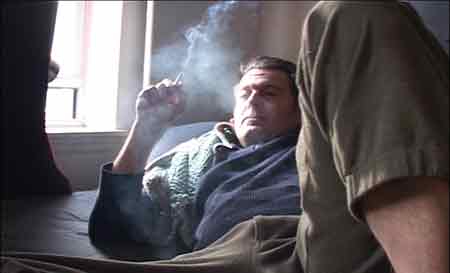
This striking documentary by filmmaker Jay Corcoran, details the life and death of Tom McBride, a New York actor and model dying of Progressive Multi-focal Leucoencephalopathy (PML), an AIDS-related brain disease.
Trailer: Life and Death on the A-List
Life and Death on the A-List
Watch Life and Death on the A-List on YouTube
McBride’s “All-American” good looks made him a familiar face in television commercials, print ads and films through the ’70s and ’80s. He even became that most emblematic of masculine images: the Winston man. For many gay men, McBride became an icon exemplifying life on the “A-List” — the whirl of sex, drugs, theme parties, and summers on Fire Island that made New York’s gay scene famous. But McBride’s glamorous life was stalked by his sexual obsession and compulsive drive.
Corcoran’s film takes an unsparing look at one man’s relationship to his beautiful body and how he copes with its disintegration. More profoundly, LIFE AND DEATH ON THE A-LIST is about us: our bodies, our fantasies, our dreams of sexual fulfillment. Tom McBride is a fallible, tragic hero pointing the way to a more humane vision of how we all — gay and straight — might view our lives, bodies, and the endless possibilities of life.
Released: 2001 Length: 56 minutes Producer: Jay Corcoran Executive producer: Michael Roberts Cinematographer: Jay Corcoran Editor: George O’Donnell Composer: Scott Killian
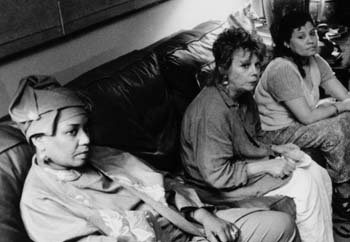
Undetectable is a feature documentary, following for three years six Boston residents on the new multi-drug therapies for HIV disease. The film examines the complex physical and psychological effects of the treatment on three women and three men of various ethnic and cultural backgrounds, and the importance of AIDS education and advocacy within both the gay and poor and minority communities. It was broadcast on PBS, Independent Lens. Continue reading “Undetectable: The New Face of AIDS”
Rock Bottom Released: 2007 Length: 61 minutes Producer/Director/Camera: Jay Corcoran Producer: Colin Weil Editor: Kenny Wachtal Original Music: Scott Killian Executive Producer: Joe Lovett
Click the “Watch now” button on the video below to watch the entire film, or buy the DVD below.
Rock Bottom follows the journeys of seven gay men struggling with meth addiction and recovery against a backdrop of an emerging second wave of HIV infection. From grappling with the drug’s effects on their physical and mental health to wrestling with their darkest sexual desires, Rock Bottom delivers a chilling portrait of a community in crisis. With an unflinching eye the film captures their stories over a two-year period, from sex clubs to hospitals to family gatherings. It takes enormous courage to face these demons, and even more to allow the world to watch. Continue reading “Rock Bottom”




 Corcoran’s film takes an unsparing look at one man’s relationship to his beautiful body and how he copes with its disintegration. More profoundly, LIFE AND DEATH ON THE A-LIST is about us: our bodies, our fantasies, our dreams of sexual fulfillment. Tom McBride is a fallible, tragic hero pointing the way to a more humane vision of how we all — gay and straight — might view our lives, bodies, and the endless possibilities of life.